30,000 ft ,
-50 degrees F
hours and hours on end in that environment.
and a part on the RR engine fuel delivery system that wasn't engineered properly?
maybe ...preliminary
Theres always water in airliner fuel tanks Michael, and its very difficult to ensure that it doesn't get in, so all they need to do is make sure none of the water gets to the engines.
... and that's why we need an irony smily ;-) Seriously though - water does get to the engines (intentionally) but in amounts far too small to cause any problems.
I remember when i was an A/C refueller in the RAF and we had to do SG (specific gravity) Checks in Avgas and Avtur....ah the smell....... :roll:
Drain the bottom of the tanks in the bowser and check said sample.....the responsibilty for a youngster was huge....i wonder who has that responsibilty when refuelling the big planes...?
The A/C refueller or the pilot nowadays....?
Anyone...?
Tony
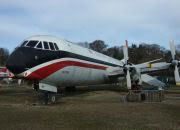
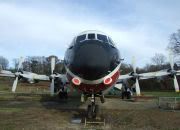
The last surviving and complete Vickers Vanguard....."Superb"
Cheers Dave....~I understand SG checks are very important as is the water checks....what with the swelling of the fuel with heat and vice versa in the cold....i have seen a huge variance when i was refuelling Pemmies at RAF Gatow in West Berlin and got very nervous filling the old 737-200's from Brittania on the trooping flights....I vaguely remember the Brittania pilots checking my paperwork and SG readings but they seemed very complacent if my memory serves.....?
The RAF boys never checked my paperwork...I remember that.....
Interesting subject this....
Tony
The last surviving and complete Vickers Vanguard....."Superb"
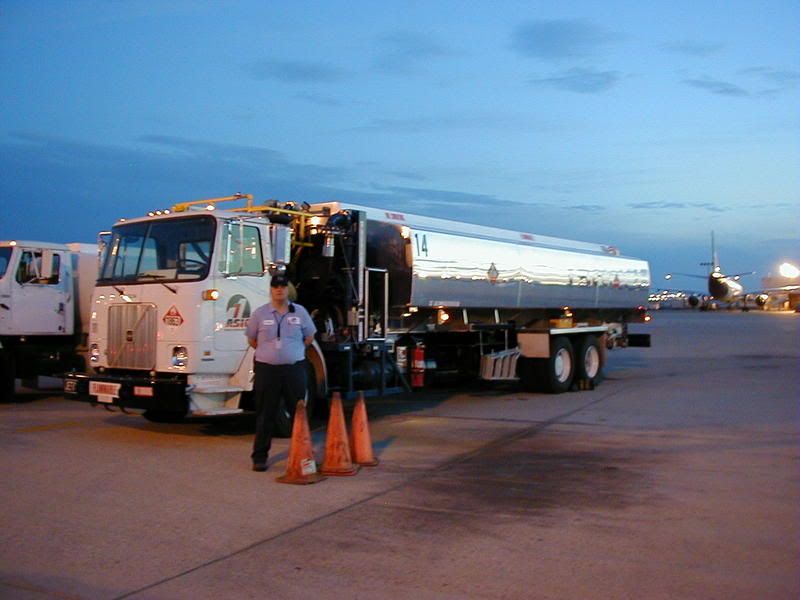
As a former fueler of more recent experience, the fueler is indeed responsible for the accurate fueling of the aircraft and the quality of that fuel, however as with everything else, the pilot is the ultimate say-so as he must sign off on the fuel ticket prior to the fueler being able to leave. If he signs off, then he's stating that he accepts the paperwork the fueler's done and the checks the ground engineer did with the fueler.
As I was one of the few (during my 2 years there) fully qualified to fuel both Lufthansa & British Airways, the only European operators at Denver at the time (in fact Allegro Airlines from Mexico was the only other international -non-domestic- operator at the time), I had to go through a fairly extensive training on the fueling of those flights as they were much more strict due to the higher importance of weight (for maximizing how much passengers and cargo they could carry during the hot summer) and quality for the flights.
We would do 3 checks for each international flight -
1) Water Sump. Prior to beginning fueling, our sump truck would come by and sump the truck to ensure all water had been removed from the truck and the sumps on the truck (there were 2, one in the filter, and one in the valve housing as we used in-ground refueling trucks instead tankers at the terminal).
2) Specific Gravity check. About 1/3 of the way through fueling I would pull a sample off the valve sump and perform a fuel density check with the ground engineer present. This consisted of a hygrometer which measured not only the boyancy of the fuel (in inches) but also temperature. From those two measurements I would use a chart to find the specific gravity of the fuel. Being that I was fueling LH & BA, I had to then do another conversion to metrics. Once this was complete, the information was recorded on the fuel order slip. The ground engineer then took the fuel order slip to the flight crew who verified their numbers, consulted with dispatch and came back with a final fuel load for me and we set the fuel panel. As fueling typically took 40 minutes to an hour, there was plenty of time from the time I hooked up (within a few minutes of engine shutdown until nearly departure time).
3) Post Fueling Sump check. This one wouldn't require the sump truck as I could perform it myself. Basically, it was simply to verify that an inordinate amount of fuel hadn't entered the sumps during fueling. As long as there was no water visible, the flight was good to go.
I never had a problem at Denver with too much water after fueling, however I did have 2 or 3 occasions where I had to get a new truck because a water slug came through the system and shutdown my truck. That meant doing the first two steps over and then sumping the main wing tanks after letting them settle for about 10 minutes to make sure none of the water got through.







 think I'll give up on the dry humor , and go back to my regular stuff