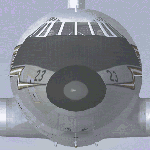
RTy-1. The RTy-1 is the first production version rated at 4,370 shp (3,259 kW) with an ESFC of 0.405 lb/eshp/hr at cruise power. This engine variant powered the Vickers Vanguard Type 951.
RTy-11. Rated at 5,064 shp (3,776 kW), the RTy-11 improved upon the original Tyne with a substantial reduction in cruise fuel consumption to 0.384. This variant powered the Vanguard Type 952.
RTy-12. The RTy-12 is a 4,616 shp (3,442 kW) version used onboard the Short Brothers Belfast freighter and Canadair 400/CL-44.
RTy-20. The current production version, the RTy-20 variant is the responsibility of the consortium (see Licensee section above). For the RTy-20 Mk 21 used on the Atlantique ATL2, specifications are as follows: maximum power (ISA/SLS), 6,100 eshp, or approximately 5,667 shp (4,226 kW); air mass flow, 21.1 kg/sec; pressure ratio, 13.5:1; propeller speed, 975 rpm. The Mk 22 powers the Transall; the flat-rated Mk 801 powers the Aeritalia G-222T.
Tyne Plus. SNECMA is developing an updated version of the Tyne, dubbed Tyne Plus. The engine will basically run hotter with the benefit of an improved turbine section. The design is to incorporate composite materials, more efficient turbine airfoils and better turbine blade profiles. Power is expected to rise from 6,100 shp to 6,600 shp, time between overhauls should improve from the 2,400 hours of the Rty-20 to 4,000 hours for the Plus version.
The technical definition phase for the Tyne Plus was completed in November 1994. Assuming a go-ahead decision, preliminary development would take six months, with production tooling completed three years later. Industrial investment was estimated by Dassault at $75 million for the project. The original engine's water/methanol injection system will be deleted. The new engine is being proposed for C-160 Transall retrofits and a proposed Atlantique ATL2 Plus aircraft design.

What version you got Dave...? Nick one of a Transall or G-222 or an Atlantique....

Tony